After the Theft of the Sacred Volume 75
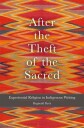
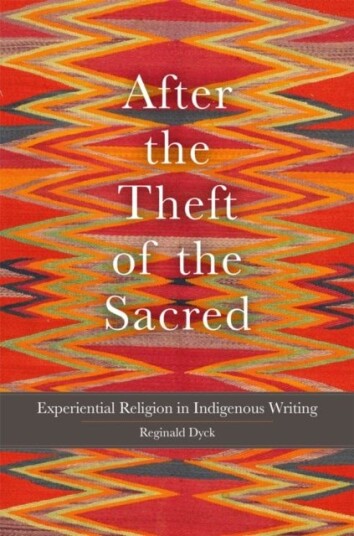
In recent decades, individualistic and secular ways of participating in the world have grown pervasive in Western society. This evolution has compelled shifts in Indian Country as well. In After the Theft of the Sacred, Native American literature scholar Reginald Dyck investigates these shifts, and the resulting complexities......
fra 599,-
På lager i 1 butikker
Kjøp på nett
Fjernlager
Frakt og levering
Sammenligning av produkter
Her finner du de fire mest populære produktene i denne kategorien i en lignende prisklasse som det du ser på nå.

After the Theft of the Sacred Volume 75
599,-

Produktinformasjon
In recent decades, individualistic and secular ways of participating in the world have grown pervasive in Western society. This evolution has compelled shifts in Indian Country as well. In After the Theft of the Sacred, Native American literature scholar Reginald Dyck investigates these shifts, and the resulting complexities of contemporary Indigenous religious and spiritual experiences. Drawing on a wide range of works by well-known Indigenous authors, he shows how Native communities and characters use their lived religions to make sense of an increasingly fragmented and urban world. Dyck explores a range of interdisciplinary perspectives to reckon with the transition from an Indigenous communal social imaginary to a modern individualistic one in which belief has become a choice rather than a given. He applies careful close readings to the novels of Ray Young Bear, Greg Sarris, Louise Erdrich, Leslie Marmon Silko, and Tommy Orange; and the poetry of Simon J. Ortiz, Robert Davis Hoffmann, Joy Harjo and Linda Hogan; among other works. Dyck argues that these authors show the ways that Native communities and characters have suffered, as an effect of colonialism, a spiritual theft—what N. Scott Momaday has incisively called “the theft of the sacred.” This theft is evident across religious expressions, he argues, whether one is a traditionalist, a member of the Native American Church, a Christian, or any other kind of believer or nonbeliever. Yet within what many label as a spiritual crisis, Dyck demonstrates that communities and characters create continuities through adaptations, improvisations, individualizations, and leaps of faith. Native studies scholarship regularly references Indigenous religions, but few works analyze them experientially as this book does. The interdisciplinary interpretations developed in After the Theft of the Sacred make manifest the richness of Indigenous literature in its engagement of spiritual challenges experienced by contemporary Native peoples.
Spesifikasjon
Produkt
| Produktnavn | After the Theft of the Sacred Volume 75 |
| book typ | Historie og dokumentar |
Populære produkter
Pris og prishistorikk
Akkurat nå er 599,- den billigste prisen for After the Theft of the Sacred Volume 75 blant 1 butikker hos Prisradar. Sjekk også vår topp 5-rangering av beste bøker for å være sikker på at du gjør det beste kjøpet.