Silchester: The Landscape Setting of the Iron Age Oppidum and Roman City
The landscape setting of the Iron Age oppidum and Roman city of Calleva Atrebatum (Silchester) was initially explored through analysis of the available aerial photography and Lidar data over c. 1000 km2. Focusing on a 50 km square centred on Calleva, six locations with suspected later prehistoric enclosures were sampled by co......
fra 699,-
På lager i 2 butikker
Kjøp på nett
Fjernlager
Frakt og levering
På lager
Frakt og levering
Sammenligning av produkter
Her finner du de fire mest populære produktene i denne kategorien i en lignende prisklasse som det du ser på nå.


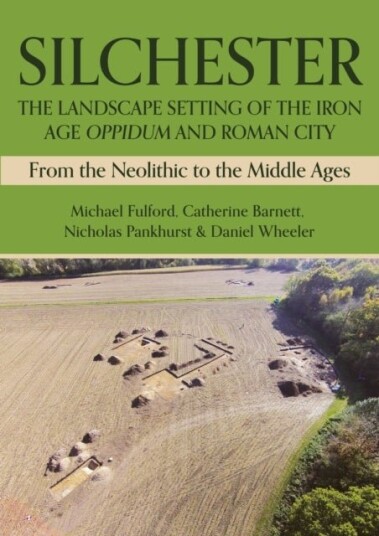
Silchester: The Landscape Setting of the Iron Age Oppidum and Roman City
699,-

Produktinformasjon
Silchester: The Landscape Setting of the Iron Age Oppidum and Roman City is the definitive report on the Silchester Environs Project, which combined extensive fieldwork and prospection to examine the Iron Age hinterland of Calleva Atrebatum (Silchester), its settlement pattern, economy and development. The landscape setting of the Iron Age oppidum and Roman city of Calleva was initially explored through analysis of the available aerial photography and LiDAR data over c. 1000 km2. Focusing on a 50 km square centred on Calleva, six locations with suspected later prehistoric enclosures were sampled by coring and excavation and accompanied by extensive programmes of radiocarbon dating and environmental, especially pollen, analysis. Phases of activity and/or settlement were followed by abandonment and the regeneration of the woodland. Neolithic and Bronze Age activity was identified, but the first permanent settlements appeared to be of Late Bronze Age/Early Iron Age date. The period with the most numerous settlements is the Middle Iron Age (4th to 2nd century BC), which was characterised by hillforts and smaller ditched enclosures. Their abandonment was once again followed by woodland regeneration. At the end of the 1st century BC new settlements were founded, including the 38 ha defended oppidum in a wooded and otherwise empty landscape. A territory with a radius of c. 2 km and devoid of individual farmsteads was established around the oppidum to provide land for cultivation and grazing and it was retained with the founding of the Roman city. This territory corresponds approximately with the combined present-day parishes of Mortimer West End and Silchester. The charcoal assemblages show evidence for the management of the woodlands including for the preparation of charcoal from the Late Iron Age though the Roman and into the medieval period. Dated charcoal shows continued activity in the Environs in the post-Roman and early medieval periods including the re-occupation of the hillfort at Pond Farm.
Spesifikasjon
Produkt
| Produktnavn | Silchester: The Landscape Setting of the Iron Age Oppidum and Roman City |
| book typ | boker, fagboker, religion historie og filosofi, historie |
Populære produkter
Pris og prishistorikk
Akkurat nå er 699,- den billigste prisen for Silchester: The Landscape Setting of the Iron Age Oppidum and Roman City blant 2 butikker hos Prisradar. Sjekk også vår topp 5-rangering av beste bøker for å være sikker på at du gjør det beste kjøpet.
The Django Admin HandbookPatience Is a Subtle ThiefThe Sharkfish ManJack Turner: Truth in the Arctic
The Life and Games of Vasily SmyslovToshiba Toshiba Enterprise 3,5 20TBMississippiBasketballsett selvlysende