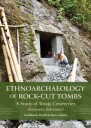
Ethnoarchaeology of Rock cut Tombs
Rock-cut tombs, i.e. chambered tombs hewn out from the bedrock, were a common type of monumental burial among many past societies around the world, from the Neolithic Mediterranean, to the Classical Near East, and Protohistoric Japan and Korea. Around the globe they have attracted the attention of generations of archaeologist......
fra 489,-
På lager i 2 butikker
Kjøp på nett
På lager
Frakt og levering
Fjernlager
Frakt og levering
Sammenligning av produkter
Her finner du de fire mest populære produktene i denne kategorien i en lignende prisklasse som det du ser på nå.
Ethnoarchaeology of Rock cut Tombs
489,-


Produktinformasjon
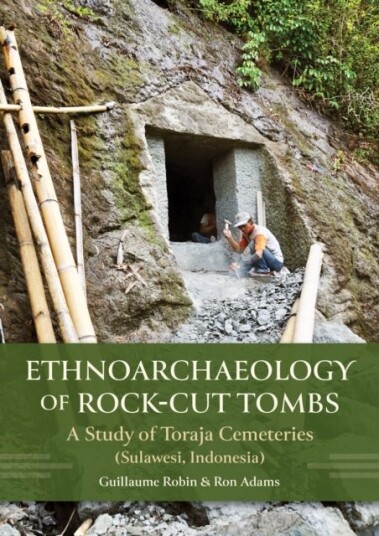
Rock-cut tombs, i.e. chambered tombs hewn out from the bedrock, were a common type of monumental burial among many past societies around the world, from the Neolithic Mediterranean, to the Classical Near East, and Protohistoric Japan and Korea. Around the globe they have attracted the attention of generations of archaeologists, historians and art historians. The island of Sulawesi, Indonesia, is the only place where rock-cut tombs are still being created today, and in a traditional (small scale, animist) society context. The Toraja people of Central Sulawesi have built and used rock-cut chambered tombs (locally called liang pa’) as kinship communal burials for at least 300 years. This living tradition represents a unique opportunity to study rock-cut monuments from an ethnoarchaeological perspective, with a focus on their material, temporal, social, ritual and landscape dimensions. This book is the first ever dedicated to the Toraja tombs and is the outcome of comprehensive literature-based research (ethnographic literature from the 19th century to present) and original fieldwork carried out by the authors in June 2017. The aim of the book is twofold: first, to provide an overview of liang pa’ rock-cut tombs and, second, to address specific issues that had never been investigated before. These issues include the architectural style and decoration of the tombs, the technical steps and ritual activities associated with the process of cutting the tombs into the rock, their landscape setting, and their relationship to local kinship groups. The authors place the liang pa’ within the context of historical developments pertaining to other funerary traditions of the Toraja people over the past several centuries, and present an overview of burial practices associated with these monuments. The research provides a unique synthesis and offers methodological and theoretical insights that are relevant to any reader interested in rock-cut architectures of the past and present, monuments and rituals, and the anthropological study of human–environment interactions. Overall, the book offers a series of fresh insights on long-debated archaeological issues that will inform discussion and theoretical models for the study and interpretation of ritual monuments from prehistory to present.
Spesifikasjon
| Produkt | |
|---|---|
| Produktnavn | Ethnoarchaeology of Rock cut Tombs |
| book typ | boker, fagboker, religion historie og filosofi, historie |
Pris og prishistorikk
Akkurat nå er 489,- den billigste prisen for Ethnoarchaeology of Rock cut Tombs blant 2 butikker hos Prisradar. Sjekk også vår topp 5-rangering av beste bøker for å være sikker på at du gjør det beste kjøpet.
The New GirlLiterature of the 1950s: Good, Brave Causes Volume 6Logan's Lantern A Lunar New Year StorySoil Processes
Speech Disorder in Nineteenth Century Britain The History of StutteringOil and Gas in the Caucasus & Caspian A HistoryEducation and the Quest for Modernity in TurkeyVivisection in Historical Perspective
Alexander Jolly’s Christian Sacrifice in the Eucharist A Critical EditionLinguistic Disadvantage in Jury Trials Lessons from Hong Kong and BeyondThe Mathnawi of Jalalu?ddin Rumi, Volume III Persian Text of Books 3 and 4Heritage, Power, and Liminality Culture and the Crisis of Authoritarian Transitions in Myanmar
Finance and Culture in Nineteenth Century Britain Volume II: The World of the Stock ExchangeFinance and Culture in Nineteenth Century Britain Volume IV: Financial Crises and Financial FraudIndustrial Women, 1760–1914 Volume II: Women in Factory IndustriesIndustrial Women, 1760–1914 Volume III: The Industrial Home and Education
Industrial Women, 1760–1914 Volume IV: Law, Resistance and PowerThe Asylum in the Long Nineteenth Century Volume II: Magdalen Asylums, Lock Hospitals and Lock Asylums in England in the Long Nineteenth CenturyThe Heritage, Creativity and Innovation Nexus Critical Approaches and Interdisciplinary PerspectivesCultural Tourism