Han Dynasty 206BC–AD220 Stone Carved Tombs in Central and Eastern China
Han Dynasty (206 BCAD 220) stone carved tombs were constructed from carved stone slabs or a combination of moulded bricks and carved stones, and were distributed in Central and Eastern China. Such multi-chambered stone tombs were very popular among the Han people, but they were entirely new, and were a result of outside stim......
fra 729,-
På lager i 2 butikker
Kjøp på nett
Fjernlager
Frakt og levering
På lager
Frakt og levering
Sammenligning av produkter
Her finner du de fire mest populære produktene i denne kategorien i en lignende prisklasse som det du ser på nå.


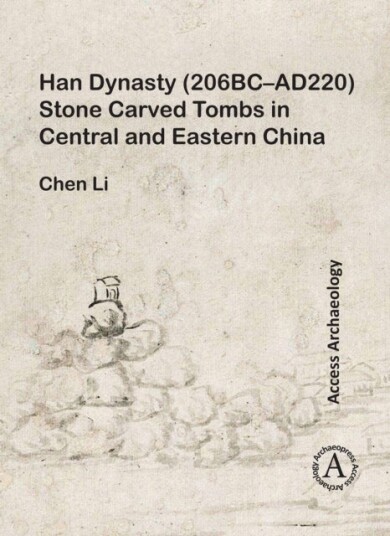
Han Dynasty 206BC–AD220 Stone Carved Tombs in Central and Eastern China
729,-

Produktinformasjon
Han Dynasty (206 BC–AD 220) stone carved tombs were constructed from carved stone slabs or a combination of moulded bricks and carved stones, and were distributed in Central and Eastern China. Such multi-chambered stone tombs were very popular among the Han people, but they were entirely new, and were a result of outside stimuli rather than an independent development within China. The stone carved tombs were a result of imitating royal rock-cut tombs, while the rock-cut tombs were stimulated by foreign examples. Moreover, many details of stone carved tombs also had Western features. These exotic elements reflected the desire to assimilate exotica within Chinese traditions. Some details within stone carved tombs showed high level of stone working technologies with Western influences. But in general the level of stone construction of the Han period was relatively low. The methods of construction showed how unfamiliar the Western system was to the Han artisans. Han Dynasty stone carved tombs were hybrids of different techniques, including timber, brick and stone works. From these variations, Han people could choose certain types of tombs to satisfy their specific ritual and economic needs. Not only structures, but also pictorial decorations of stone carved tombs were innovations. The range of image motifs was quite limited. Similar motifs can be found in almost every tomb. Such similarities were partly due to the artisans, who worked in workshops and used repertoires for the carving of images. But these also suggest that the tombs were decorated for certain purposes with a given functional template. Together with different patterns of burial objects and their settings, such images formed a way through which the Han people gave meaning to the afterworld. As the Han Empire collapsed, stone carved tombs ceased being constructed in the Central Plains. However, they set a model for later tombs. The idea of building horizontal stone chamber tombs spread to Han borderlands, and gradually went further east to the Korean Peninsula. In this book, the origins, meanings and influences of Han Dynasty stone carved tombs are presented as a part of the history of interactions between different parts of Eurasia.
Spesifikasjon
Produkt
| Produktnavn | Han Dynasty 206BC–AD220 Stone Carved Tombs in Central and Eastern China |
| book typ | boker, fagboker, religion historie og filosofi, historie |
Populære produkter
Pris og prishistorikk
Akkurat nå er 729,- den billigste prisen for Han Dynasty 206BC–AD220 Stone Carved Tombs in Central and Eastern China blant 2 butikker hos Prisradar. Sjekk også vår topp 5-rangering av beste bøker for å være sikker på at du gjør det beste kjøpet.