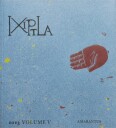
Ixiptla Volume V Amarantus
The word amarantus, which gives name to this publication, comes from the Greek aµ??a????, and describes a flower that never wilts. This plant is still used to prepare ixiptlahuan, which are anthropomorphic and zoomorphic figures that are ritually consumed by some indigenous peoples in Mexico. The amaranth flower represents th......
fra 329,-
På lager i 2 butikker
Kjøp på nett
Fjernlager
Frakt og levering
På lager
Frakt og levering
Sammenligning av produkter
Her finner du de fire mest populære produktene i denne kategorien i en lignende prisklasse som det du ser på nå.

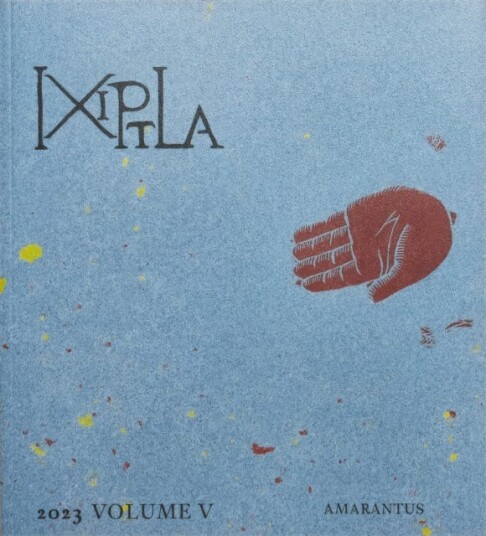
Ixiptla Volume V Amarantus
329,-

Produktinformasjon
The word amarantus, which gives name to this publication, comes from the Greek aμάρανθος, and describes a flower that never wilts. This plant is still used to prepare ixiptlahuan, which are anthropomorphic and zoomorphic figures that are ritually consumed by some indigenous peoples in Mexico. The amaranth flower represents the persistence of the “uncomfortable objects” that Castillo Deball makes visible in her historical itineraries and approximations, and that keep speaking to us in the present.
Ever since her early works, the artist has explored how chance — a product of the passing of time, erosion, fragmentation, and human intervention, among other factors — determines, to a large extent, the way we learn about the world and the narratives we create. This interest has led her to investigate the history of certain artifacts and their vicissitudes, reproductions, appropriations, and disappearances. Her formal strategies tend to reflect an inclination toward methodologies used by archaeologists to “trap” their findings. The resulting objects, or substitute images, conceptually approach the ancient Nahua notion of ixiptla, which can be interpreted as representation, image, and substitute, but also as skin. This concept is indispensable for approaching many of Castillo Deball’s projects from the past decade.
This publication features some of the artist’s long-term collaborators and interlocutors, includin Tatiana Falcón, with whom she made The Painter’s Garden; the organization Cooperación Comunitaria for The Double Life of the Azoyú Codex; Diana Magaloni around the term ixiptla and In Tilli in Tlapalli; Hubert Matiúwàa, through poems from his book Skin People; Barbara Mundy on cartography and the artist’s floor pieces; Jennifer Reynolds-Kaye on Alfred Maudslay; and Catalina Lozano about the history of women who have practiced archaeology in Mexico. The publication also includes the essay A Dystopic Mesoamerica by Yásnaya Elena and an excerpt of Emiliano Monge’s novel Weaving Darkness.
Spesifikasjon
| Produkt | |
|---|---|
| Produktnavn | Ixiptla Volume V Amarantus |
| book typ | boker, hobby og fritid, kunst og kultur |
Populære produkter
Pris og prishistorikk
Akkurat nå er 329,- den billigste prisen for Ixiptla Volume V Amarantus blant 2 butikker hos Prisradar. Sjekk også vår topp 5-rangering av beste bøker for å være sikker på at du gjør det beste kjøpet.
Terror on the TubeGeneral History of Africa volume 5 ^pbk abridged] – Africa from the 16th to the 18th Century Africa from the 16th to the 18th CenturyDisinformation in Central Europe Actors, structure, impactThe Ogre of Oglefort
RAMBLERS CURSE PBMage Against the Machine : Book 1Voices in the EveningIndecision The Benefits of Not Making Up Your Mind
The Jericho RoadThe Department Of Truth The Secret British Propaganda Unit That Span Out of ControlThe Department Of Truth The Secret British Propaganda Unit That Span Out of ControlThe Burning Tide : Book 2