
Jogkauns
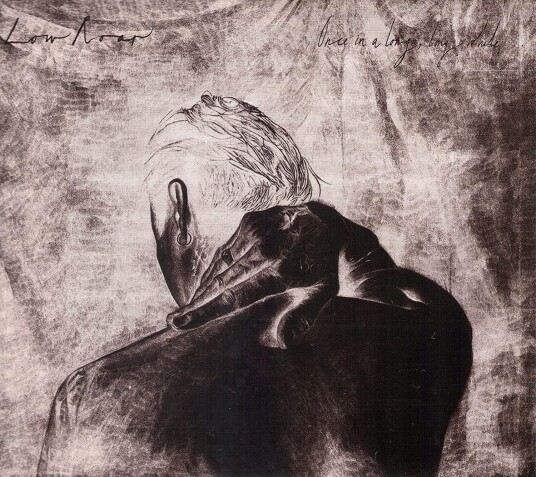
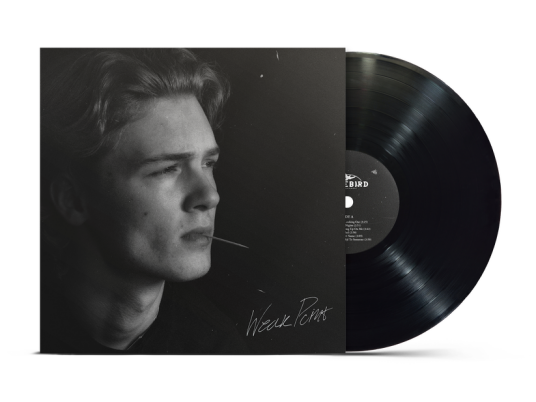
The first Indian classical recording by Jasdeep Singh Degun.Standing in his front room in Leeds and rifling through his enviable collection of vintage vinyl by the twentieth century masters of the Imdad-Khani gharana, the North Indian school of sitar music in which hes trained, Degun is anticipating the arrival of his own LP......
fra 499,-
På lager i 1 butikker
Kjøp på nett
Fjernlager
Frakt og levering

Sammenligning av produkter
Her finner du de fire mest populære produktene i denne kategorien i en lignende prisklasse som det du ser på nå.

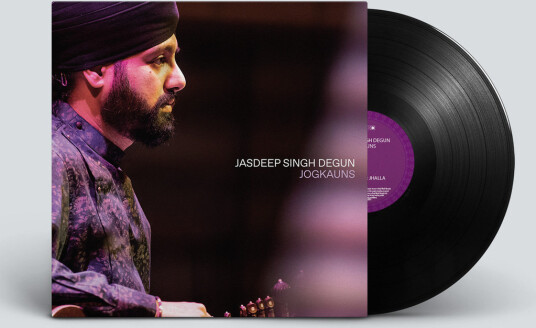
Jogkauns
499,-
Produktinformasjon
The first Indian classical recording by Jasdeep Singh Degun.Standing in his front room in Leeds and rifling through his enviable collection of vintage vinyl by the twentieth century masters of the Imdad-Khani gharana, the North Indian school of sitar music in which he’s trained, Degun is anticipating the arrival of his own LP.Lately he’s been giving a lot of thought to the history of the sitar on record. It’s informed the many sensitive negotiations between ancient and contemporary that he’s had to make in the creation of this release. Indian classical music, after all, is a long form, improvised tradition, resistant to being captured in a studio and pressed onto vinyl. Its ornamented melodies and complex rhythms unfold spontaneously, often over hours, during ephemeral, unrepeatable performances. It demands a very different approach from the writing, tight arrangements and rehearsals with which musicians in the western tradition prepare for a session.Slipping a mid-century album by Vilayat Khan onto the turntable, Degun considers the fact that the ustad’s first recordings were made in the 1930s, for gramophones that could only play back a maximum of three minutes’ music at 78 rpm. This brutal collision ofcenturies-old tradition with the march of technology forced a radical response on the musician’s part, accepting that his performance would be “just a snapshot, and packing so much onto those very brief sides”.Introduced in the 1940s, the microgroove record that remains in production today can take about 20 minutes’ music per side. This allows Degun to properly develop his themes and motifs, but maintains pressure on him to structure the arc of his improvisation in the moment. He must sustain the quality and inventiveness of his playing at an incredibly high level, too, as ‘comping’ of different takes won’t work in this setting. Any edits would tell immediately as breaks in the music’s tidal flow.On Degun’s multi-award-winning 2022 debut album Anomaly, adventurous compositions brought his sitar alongside bass, drums, pianos and string sections. He remembers having “lots of fun” with his Sky Academy mentor Nitin Sawhney and the dozens of musicians involved, writing, arranging and finding his way around the mixing desk. “This record is so different”, he says. In parallel with his work in opera, orchestral and contemporary music, “it’s very important for me to come back to pure Indian classical music, which is the foundation of everything for me. And it is fun in a musical sense, as I can be free in a way that I’m not anywhere else.“But,” he smiles, “there’s no hiding place”.After months of touring that culminated in an appearance at the 2024 Darbar Festival, he came to the famous Wood Room at Real World Studios with a regular accompanist on tabla, Harkiret Bahra. “Playing at Darbar was such a milestone for me”, Degun remembers. “It was something I’d wanted to do since I was a kid, so I was excited to go into the studio soon afterwards and document that period in my life.“Harkiret is a very sensitive player, he really listens, he’s supportive, and Real World is such a good place. If you're going record a sitar record and be chilled, it's the place to go. You can take a walk around the millpond in between sessions. And there's so much legacy”, he says, pulling out a Nusrat Fateh Ali Khan record that was also recorded there.On these recordings Degun has also collaborated closely with engineer James Turner, building on the studio knowledge he picked up on the Anomaly sessions. Here was a happy meeting of technology and tradition, as the finished record attests: Real World’s arsenal of microphones capture nuances of the sitar’s immense and magical resonances that might not have been heard in Vilayat Khan’s era: the attack of the metal fingerpick (mizrab) on the thin metal strings; the buzzing of the strings on the shallow bridges that splinter each note into spectrums of shimmering overtones; the resonance of the instrument’s hollow gourd body; the sympathetic strings that run beneath the brass frets of the sitar and sound, untouched, in response to the notes being picked; the drone strings that root the music in its key and are either strummed along with or alternated with the strings that play the melody; and the interaction of all of this with the stone and wood of the old mill.Degun appreciated the advice of his teacher, Ustad Dharambir Singh, to think of the session as a moment in time. The tradition of master and disciple (guru-shishya-parampara) is still the basis of Indian classical music, and Dharambir – himself a pupil of Vilayat Khan – has taught and guided Degun since he began to learn the sitar at the age of 15. “He is incredibly knowledgeable, and he shows me how big the music is. It’s humbling because you can just go on and on, it’s limitless. You pract
Spesifikasjon
Produkt
| Produktnavn | Jogkauns |
Populære produkter
Pris og prishistorikk
Akkurat nå er 499,- den billigste prisen for Jogkauns blant 1 butikker hos Prisradar. Sjekk også vår topp 5-rangering av beste vinyl plater for å være sikker på at du gjør det beste kjøpet.