Shogun Avatar The Worship of Tokugawa Ieyasu in Early Modern Japan
Shogun Avatar explores the transformation of Japans first shogun, Tokugawa Ieyasu (15431616), from warlord to deity. Although deifications had become largely obsolete, Ieyasus death in 1616 triggered a remarkable series of events: He was declared a Shintō god, or Great Bright Kami, but almost immedia......
fra 829,-
På lager i 2 butikker
Kjøp på nett
Forhåndsbestill
Frakt og levering
På lager
Frakt og levering
Sammenligning av produkter
Her finner du de fire mest populære produktene i denne kategorien i en lignende prisklasse som det du ser på nå.

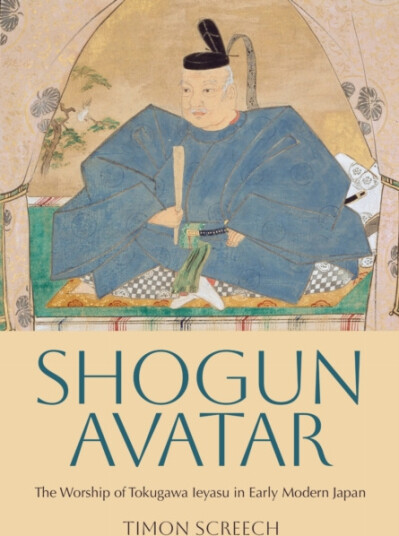
Shogun Avatar The Worship of Tokugawa Ieyasu in Early Modern Japan
829,-
Produktinformasjon
<p><i>Shogun Avatar</i> explores the transformation of Japan’s first shogun, Tokugawa Ieyasu (1543–1616), from warlord to deity. Although deifications had become largely obsolete, Ieyasu’s death in 1616 triggered a remarkable series of events: He was declared a Shintō god, or Great Bright Kami, but almost immediately the proclamation was revoked, and his body exhumed and relocated. Ieyasu was then re-deified as an avatar, that is, a Shintō god who was also a buddha’s earthly emanation. His new status allowed Ieyasu to be receptive to prayers while drawing on the higher power of Buddhism. <br/> <br/> Under the supervision of the great Tendai monk Tenkai (1536–1643), a shrine-temple mausoleum befitting the Lord Avatar was constructed at Nikkō, near Edo in eastern Japan. This project revitalized the region following years of civil war and initiated decades of construction that would result in one of the grandest Buddhist complexes in the country. Timon Screech examines the theological foundations, architectural innovations, and artistic achievements of both Ieyasu's original and final burial sites, together with their ritual and ongoing meanings. He traces the political tensions between the shogunate and the Kyoto court that prompted Ieyasu's grandson Tokugawa Iemitsu (1604–1651) to launch Nikkō’s massive reconstruction in 1636. The expanded complex attracted not only worshippers but also crowds of sightseers, establishing a tradition that continues today. Screech follows Nikkō's evolution over 250 years as it became central to shogunal authority and samurai identity. Tokugawa descendants and regional lords established branch shrine-temples throughout Japan to promote worship of the Lord Avatar, seeking his divine guidance during the turbulent later Edo period, when pressures from foreign nations both heightened the need for and challenged the efficacy of his protection. <br/> <br/> The last shogun surrendered to Imperial Japan in 1868, but Nikkō endures and remains one of Japan’s prime religious sites and visitor destinations. Shogun Avatar reveals how this sacred complex has continuously reinvented its meaning while maintaining its significance across the centuries.</p>
Spesifikasjon
| Produkt | |
|---|---|
| Produktnavn | Shogun Avatar The Worship of Tokugawa Ieyasu in Early Modern Japan |
Populære produkter
Pris og prishistorikk
Akkurat nå er 829,- den billigste prisen for Shogun Avatar The Worship of Tokugawa Ieyasu in Early Modern Japan blant 2 butikker hos Prisradar. Sjekk også vår topp 5-rangering av beste bøker for å være sikker på at du gjør det beste kjøpet.
Confident Women Swindlers, Grifters, and Shapeshifters of the Feminine PersuasionSpellhackerMy Weird School Graphic Novel: Dorks in New York! A Graphic NovelLibby Loves Science
Border Crossings A Journey on the TransSiberian RailwayKozo the SparrowHappy People Are AnnoyingGossamer