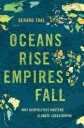
Oceans Rise Empires Fall
In the last few years, it has become abundantly clear that the effects of accelerating climate change will be catastrophic, from rising seas to more violent storms to desertification. Yet why do nation-states find it so difficult to implement transnational policies that can reduce carbon output and slow global warming? In Oce......
fra 299,-
På lager i 2 butikker
Kjøp på nett
Fjernlager
Frakt og levering
På lager
Frakt og levering
Produktinformasjon
A powerful explanation of why geopolitical competition makes implementing effective climate change policies so difficult. As the Russia-Ukraine war has shown, great-power competition drives states to prioritize fossil fuel acquisition over working toward a zero-carbon future.In the last few years, it has become abundantly clear that the effects of accelerating climate change will be catastrophic, from rising seas to more violent storms to desertification. Yet why do nation-states find it so difficult to implement transnational policies that can reduce carbon output and slow global warming? In Oceans Rise, Empires Fall, Gerard Toal identifies geopolitics as the culprit. States would prefer to reduce emissions in the abstract, but in the great global competition for geopolitical power, states always prioritize access to carbon-based fuels necessary for generating the sort of economic growth that helps them compete with rival states. Despite what we now know about the long-term impacts of climate change, geopolitical contests continue to sideline attempts to halt or slow down the process. The Ukraine conflict in particular exposes our priorities. To escape reliance on Russia''s vast oil and gas reserves, states have expanded fossil fuel production that necessarily increases the amount of carbon in the atmosphere. The territorial control imperatives of great powers preclude collaborative behavior to address common challenges. Competitive territorial, resource, and technological dramas across the geopolitical chessboard currently obscure the deterioration of the planet''s life support systems. In the contest between geopolitics and sustainable climate policies, the former takes precedence-especially when competition shifts to outright conflict. In this book, Toal interrogates that relationship and its stakes for the ongoing acceleration of climate change.
Pris og prishistorikk for Oceans Rise Empires Fall
Oceans Rise Empires Fall koster fra 299 kr hos 2 butikker. Prisradar oppdaterte prisene sist 28. november 2026.
- Prisutvikling:
- Stabil
- Laveste pris:
- 299,-
- Gjennomsnittspris:
- 299,-
- Høyeste pris:
- 299,-
Prisradar viser prishistorikk for Oceans Rise Empires Fall fra de siste seks månedene. Den laveste registrerte prisen i denne perioden var 299 kr den 28. november 2026, mens den høyeste var 349 kr den 20. juni 2026. Dagens pris er den laveste registrerte prisen for produktet.
Grafen viser utviklingen i den laveste prisen blant butikkene som selger produktet. Fraktkostnader og brukte produkter er ikke inkludert.Slik samler Prisradar inn priser
Spesifikasjon
| Produkt | |
|---|---|
| Produktnavn | Oceans Rise Empires Fall |
| book typ | boker, fagboker, samfunnsvitenskap, statsvitenskap politikk og forvaltning |
FAQ
Black Friday er fredag 27. november 2026. Sammenlign prisen på Oceans Rise Empires Fall hos flere butikker, og sjekk prishistorikken der den er tilgjengelig. Kontroller at tilbudene gjelder samme modell og variant, og ta med fraktkostnaden når du sammenligner.