Textile Industry and Sustainability Trends, Challenges and Management
Textile industries consume a huge amount of water in their function and therefore discharge great amount of effluent into the environment, mostly untreated. The occurrence of sulphur, naphthol, vat dyes, nitrates, acetic acid, soaps, chromium compounds, and heavy metals and certain auxiliary chemicals make this effluent extre......
fra 1 499,-
På lager i 2 butikker
Kjøp på nett
Forhåndsbestill
Frakt og levering
På lager
Frakt og levering
Sammenligning av produkter
Her finner du de fire mest populære produktene i denne kategorien i en lignende prisklasse som det du ser på nå.

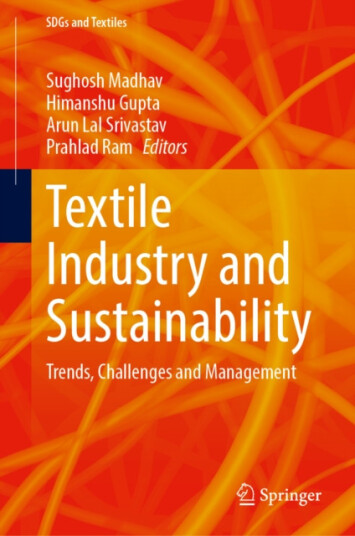
Textile Industry and Sustainability Trends, Challenges and Management
1 499,-


Produktinformasjon
Textile industries consume a huge amount of water in their function and therefore discharge great amount of effluent into the environment, mostly untreated. The occurrence of sulphur, naphthol, vat dyes, nitrates, acetic acid, soaps, chromium compounds, and heavy metals and certain auxiliary chemicals make this effluent extremely noxious. A textile effluent also has generally high temperature and pH, both of which are enormously destructive. Inorganic contaminants are mainly basic and acidic compounds along with metallic salts. These inorganic species go through diverse biochemical communications in the water bodies and decline water excellence. Copper, zinc, chromium, lead, cobalt, nickel and manganese are the common heavy metals associated with different dyes. The release of these heavy metals in water bodies and soil may be the reason of harmful impressions or dangerous to human health and the ecosystem. Human exposure to dyes have driven in skin and lung irritation, headaches, congenital malformations and nausea, the presence of mutagenic agents also reported in dyes. Incomplete degradation of chemicals may lead to the formation of aromatic amines because of azo and nitro groups present in the organic dyes. Aromatic amines are responsible for inducing cancer and tumours in human. The high concentration of salts in textile effluents degrade the soil quality and make it unfit for agriculture purposes. So, remediation of textile effluents before release in the environment is very necessary. Various physical, chemical and biological methods of treatment of textile effluents are used in different industries. Some traditional treatment methods like adsorption, photocatalytic degradation, phytoremediation and microbial degradation are used widely used in textile industries. Nowadays some advance treatment technologies like nanotechnology and enzymatic degradation are also popular in textile industries. This book discusses the generation of various pollution associated with different textile processing steps in detail. It focusses on the use of water and the generation of wastewater from textile industries as well as the chemical analysis of textile effluents and the impact of textile effluents on water resources, soil and agricultural crop and human health. Various traditional and advance treatment technologies of textile effluents will be the looked at in detail as well as the reuse and recovery of dyes from textile industries.
Topplisten: Other Brand Bøker
Spesifikasjon
| Produkt | |
|---|---|
| Produktnavn | Textile Industry and Sustainability Trends, Challenges and Management |
| Merke | Other Brand |
Populære produkter
Pris og prishistorikk
Akkurat nå er 1 499,- den billigste prisen for Textile Industry and Sustainability Trends, Challenges and Management blant 2 butikker hos Prisradar. Sjekk også vår topp 5-rangering av beste bøker for å være sikker på at du gjør det beste kjøpet.
Resource Extraction and Contentious StatesFrom Exploitation to EmpowermentEngine Exhaust ParticulatesGrenfell Tower
130 Years of Medicine in Hong KongNeue Wege zur Durchsetzung des VerbraucherrechtsThe Politics of Nuclear Energy in ChinaGrand Challenges in Marine Biotechnology
Imaging in Pediatric OncologyHand and Wrist Injuries In Combat SportsWage-Led GrowthFrom Big Data to Intelligent Data